
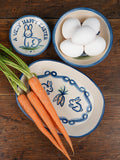
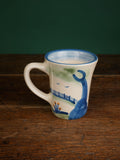
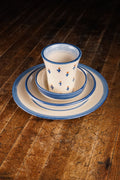
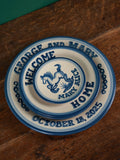
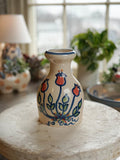
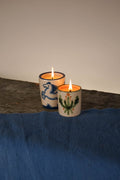
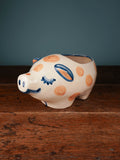
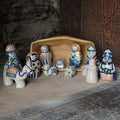
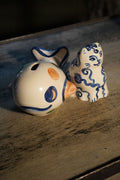
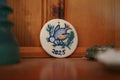
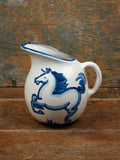
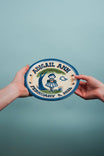
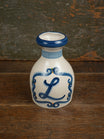
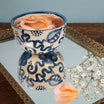
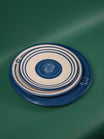
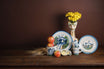
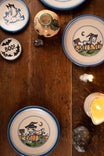
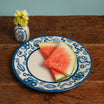
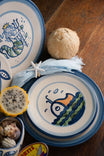
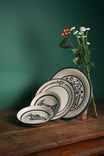
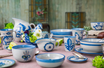
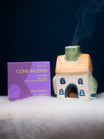
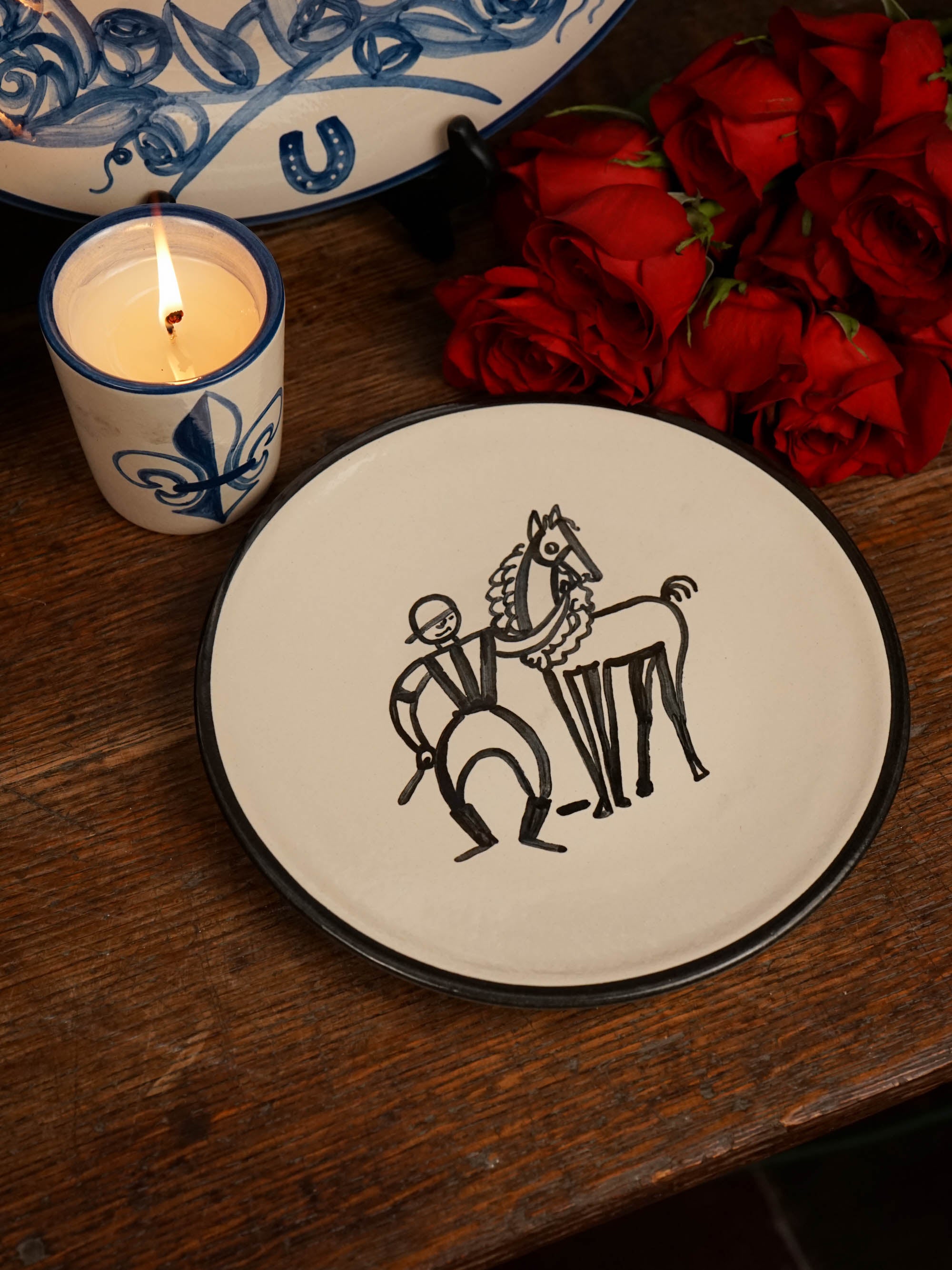
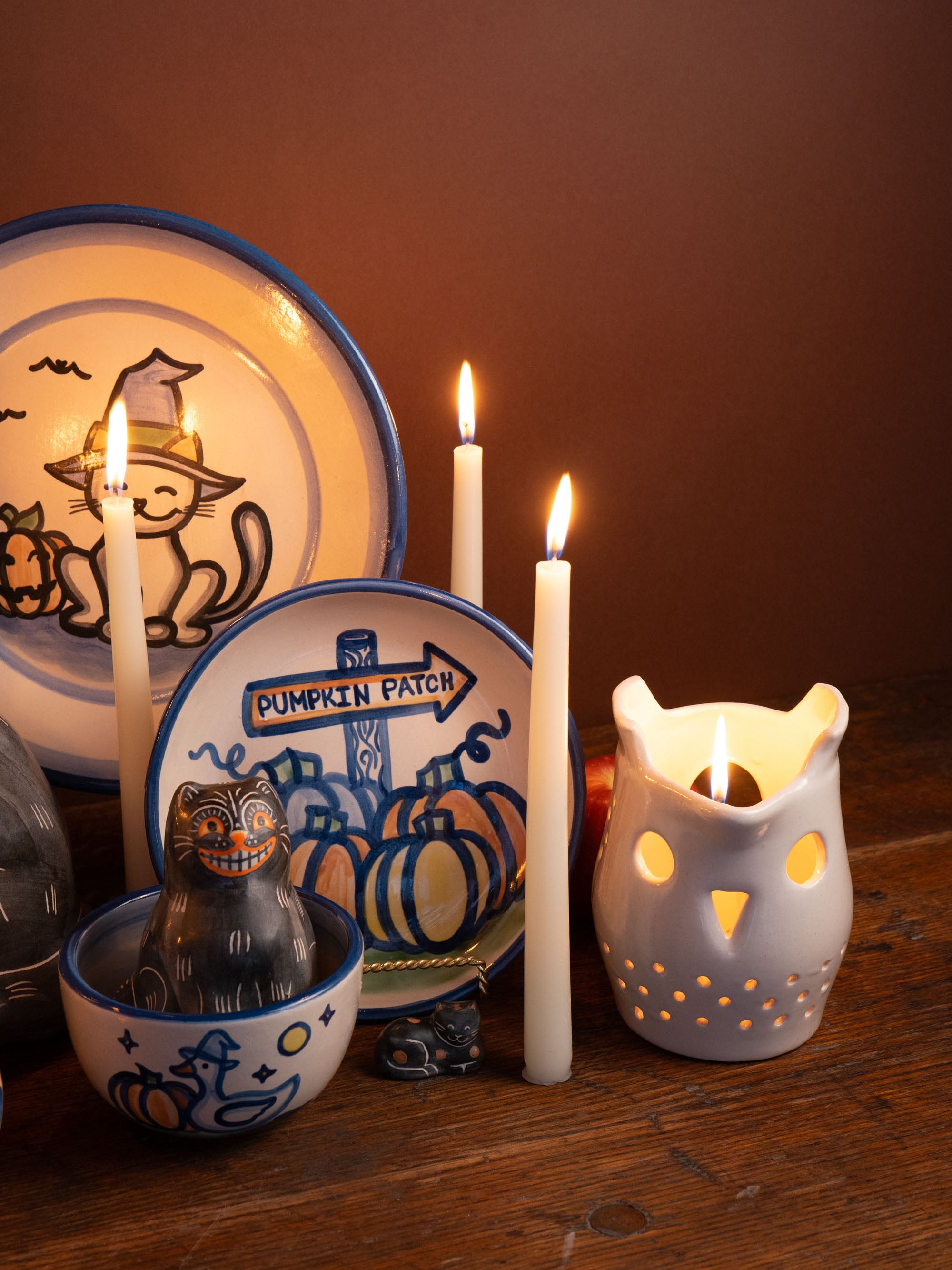
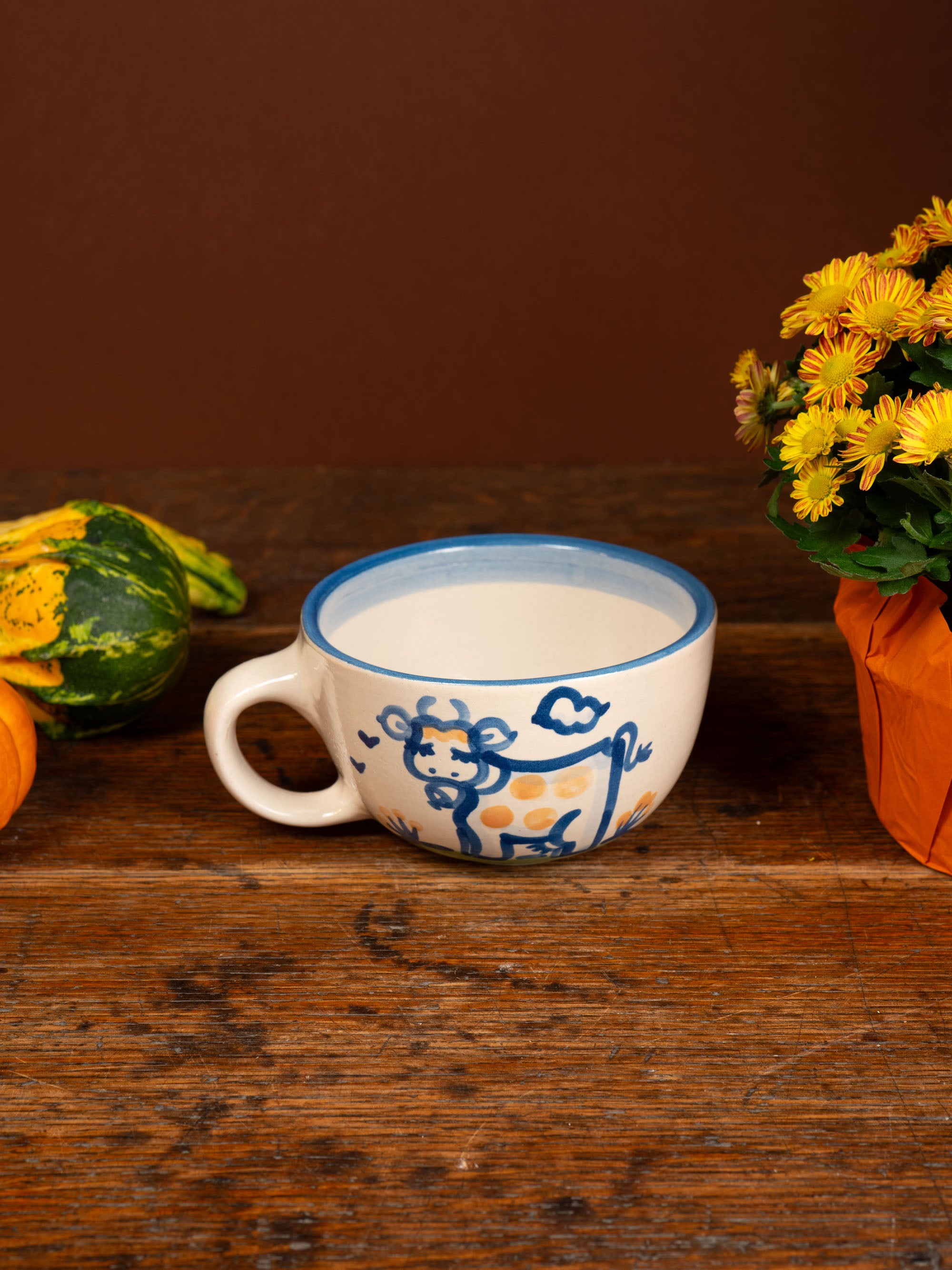
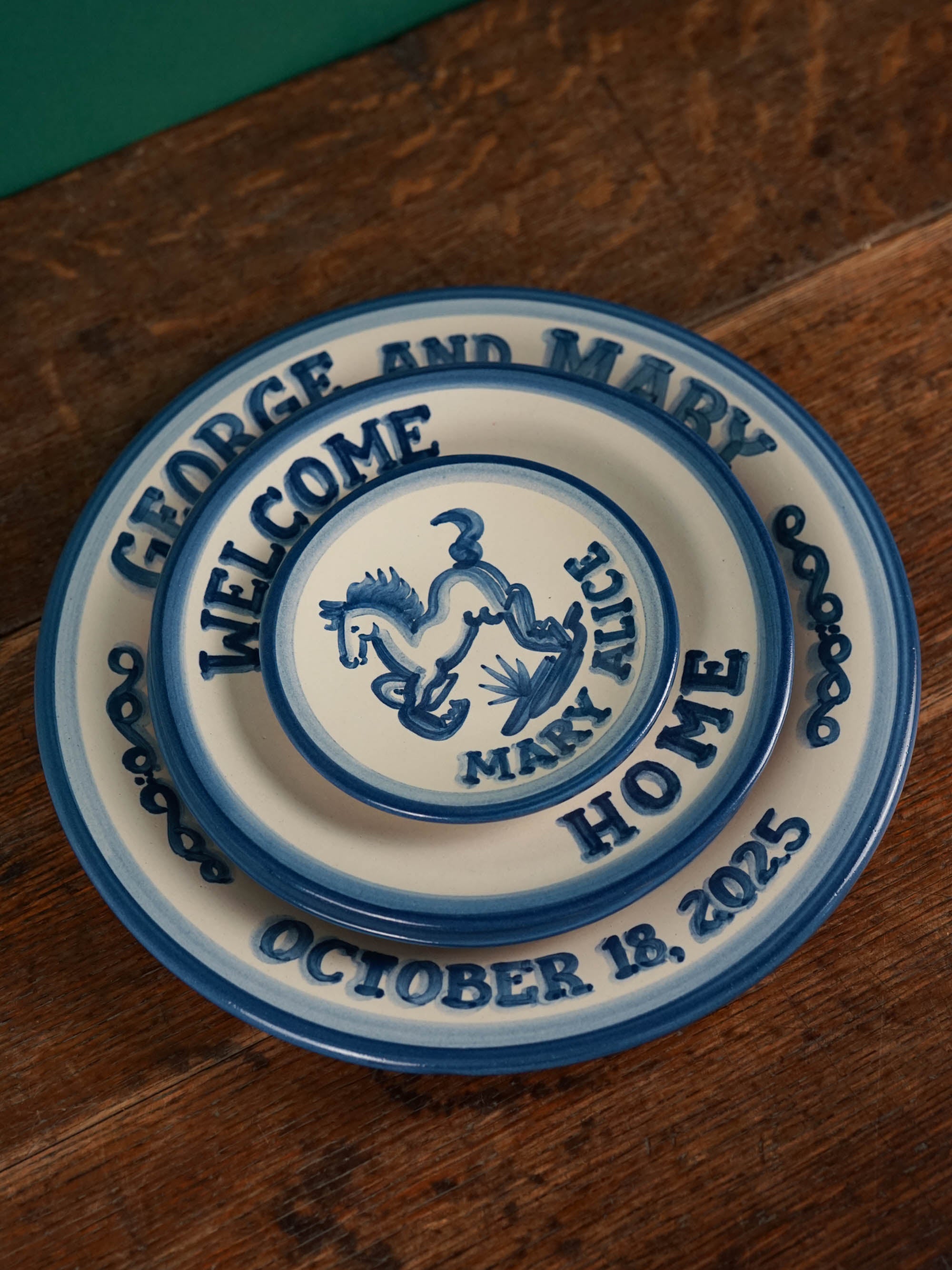
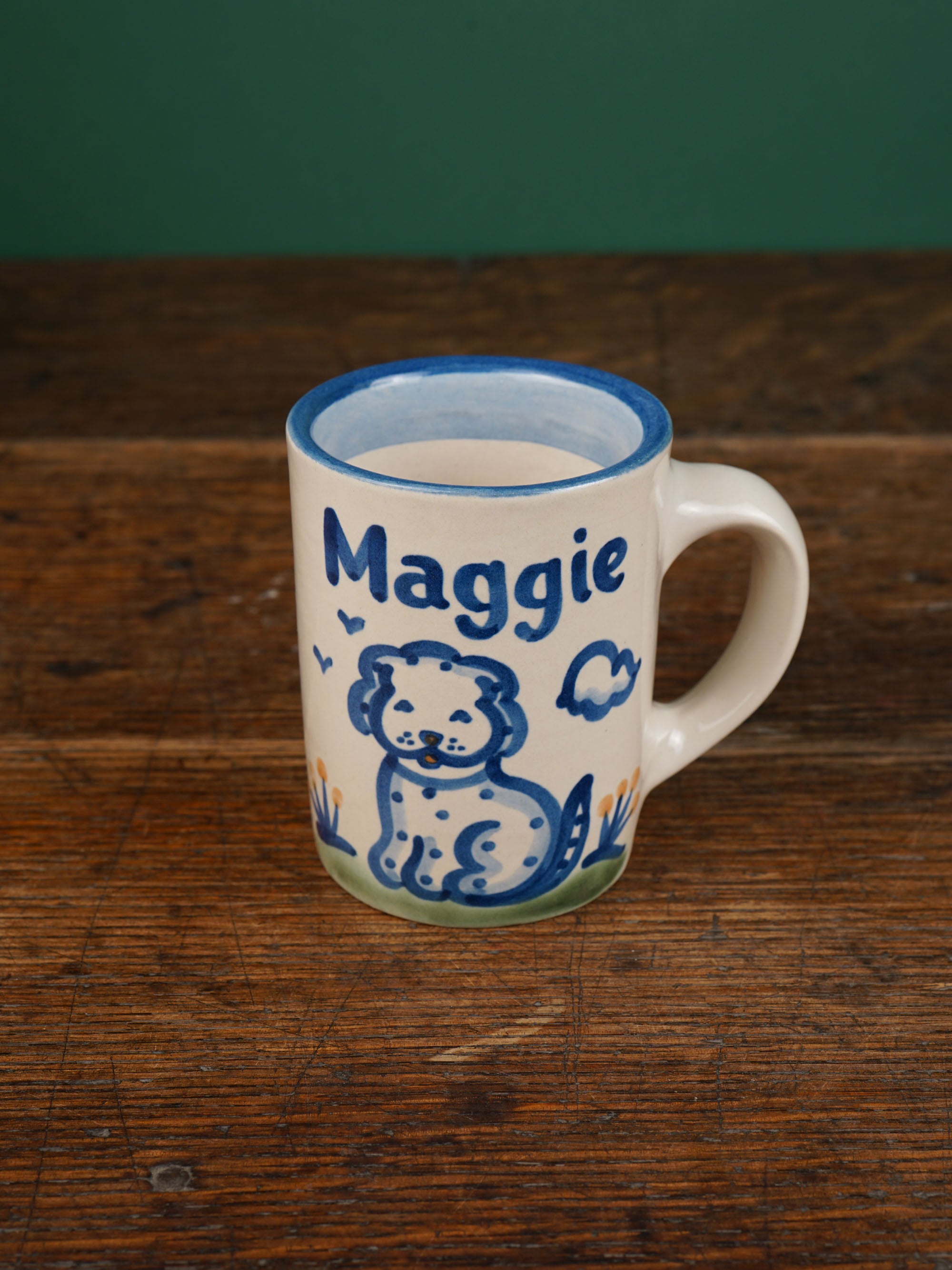
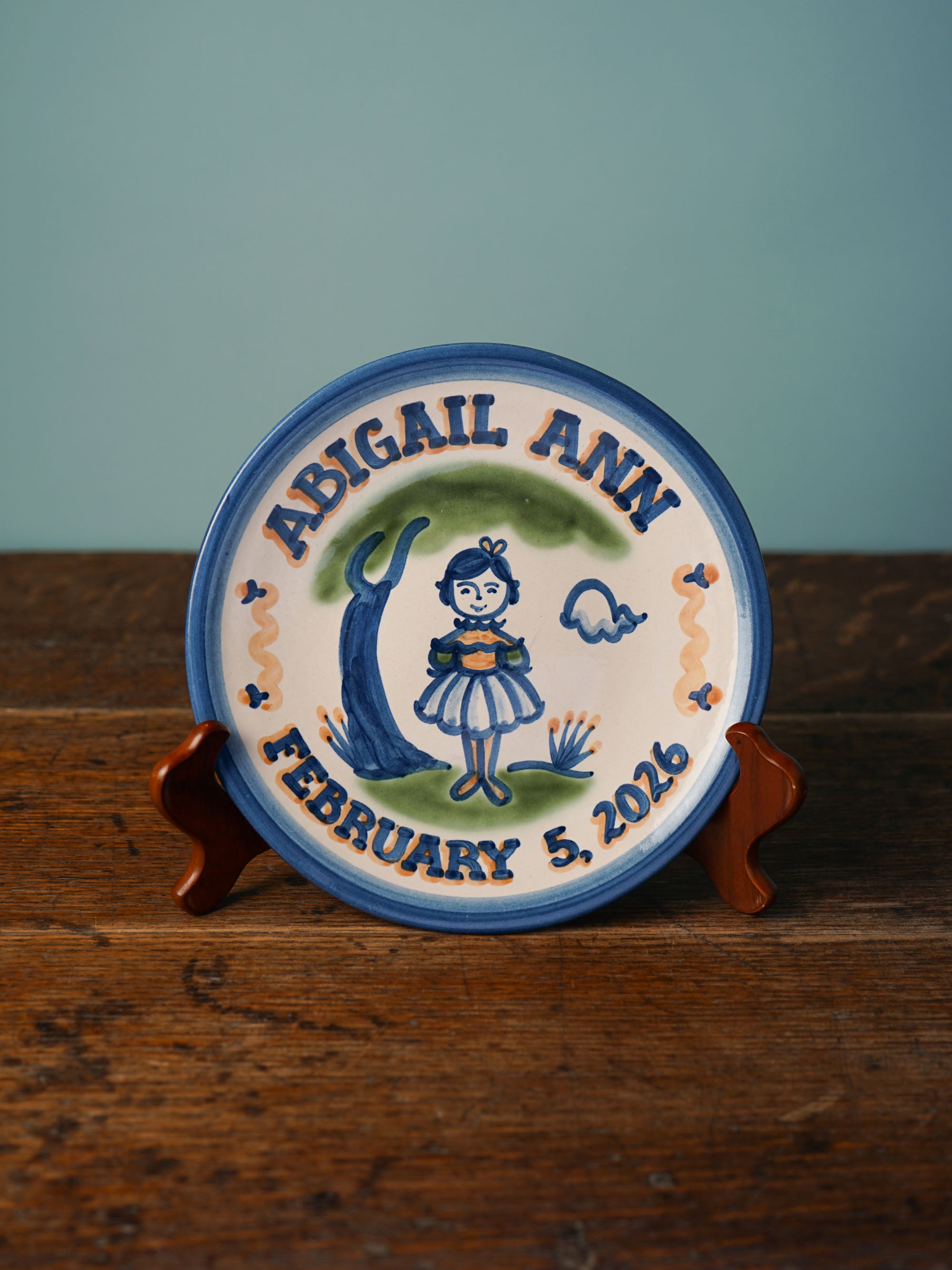


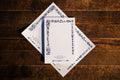
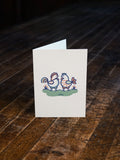
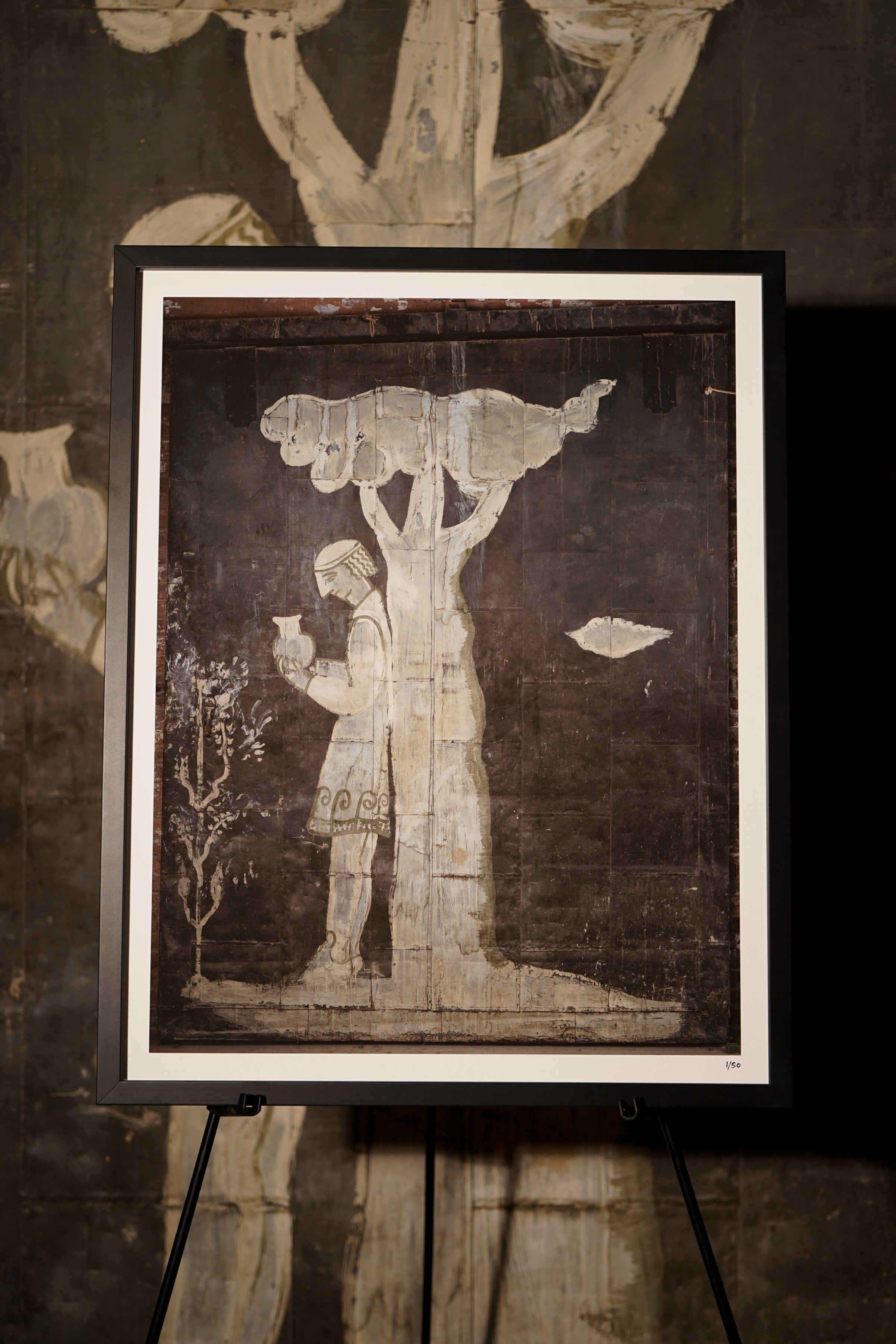
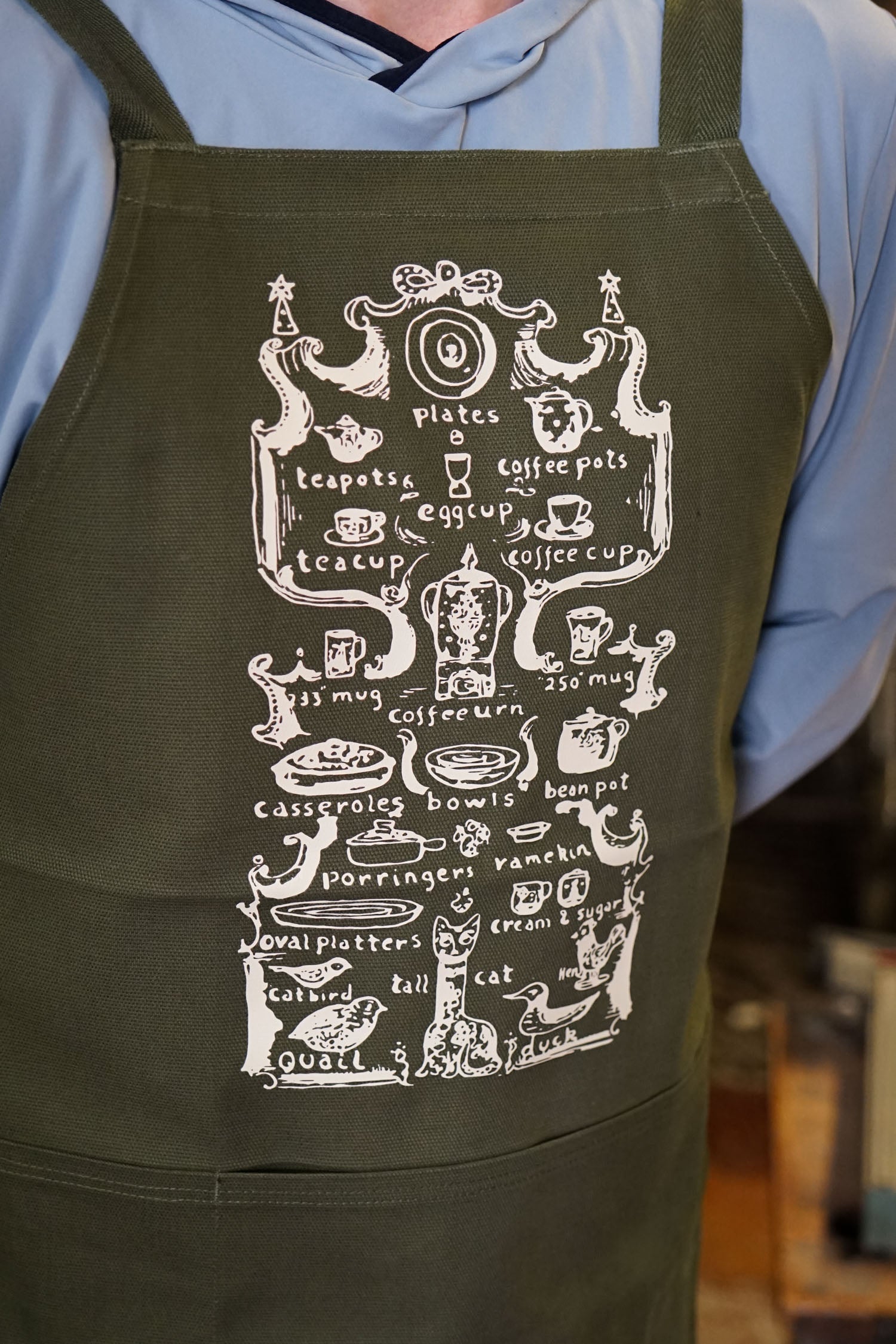
Love both stickers. In process of moving so saving them for new kitchen!!!


Animals Decorating the Tree Sticker
About
The Nitty-Gritty
Unavailable
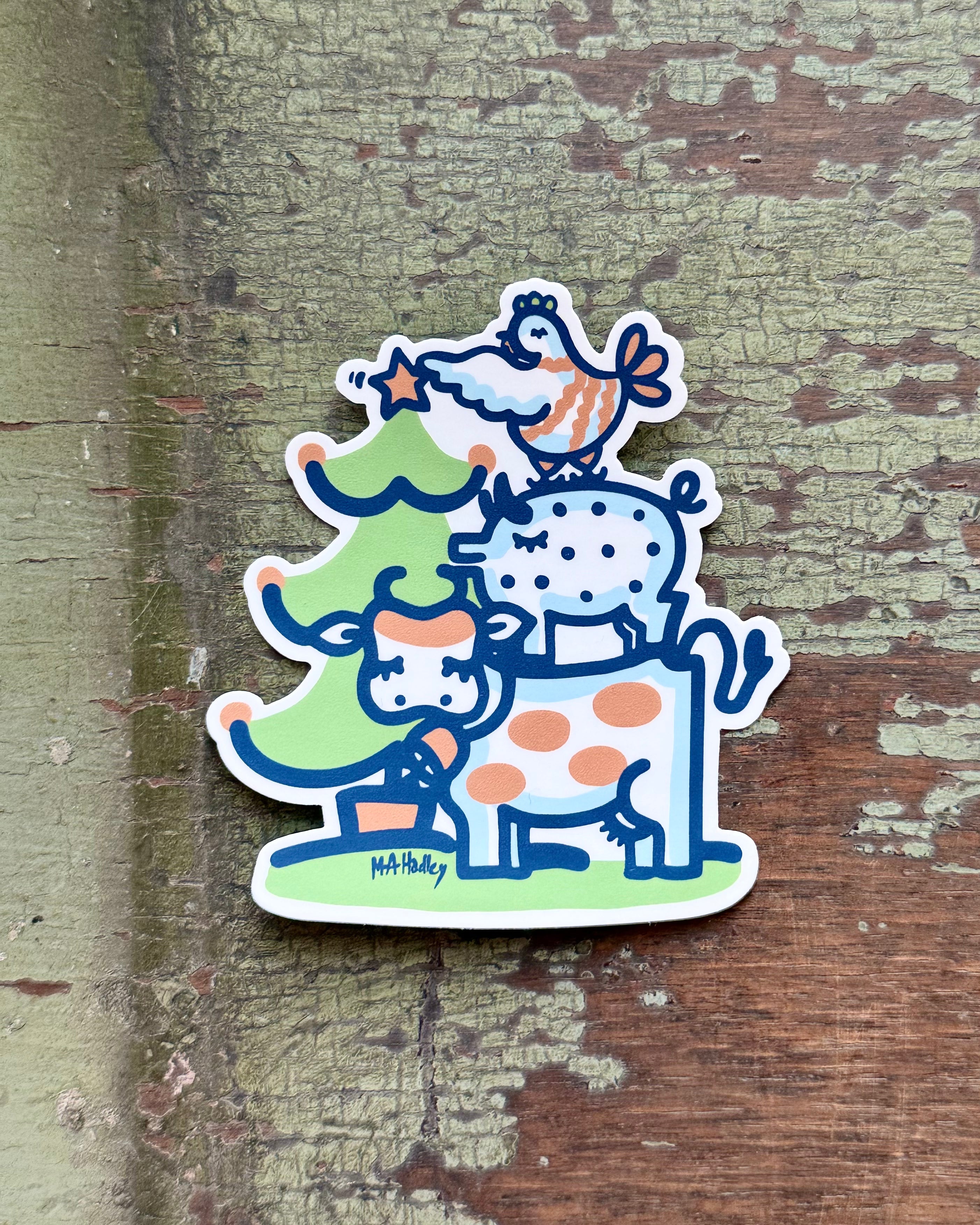
Animals Decorating the Tree Sticker
Sale price$6.00
Regular price (/)
Frequently Asked Questions
Our customer support is available Monday to Friday: 8am-8:30pm.Average answer time: 24h
Is it safe to keep using dishes with hairline cracks or chips?
No — and most people keep using them anyway. Hairline cracks (called crazing) and chips break the protective glaze layer that keeps bacteria out. Once that layer is compromised, bacteria and food residue collect in those crevices in ways a dishwasher can't reach.
A crazed or chipped dish is not truly cleanable. It looks fine. It isn't. The right answer is to replace it.
M.A. Hadley stoneware is fired at 2,300°F — a process that creates an exceptionally hard, durable surface that resists crazing far longer than most commercial dinnerware.
Do ceramic dishes contain lead?
Some do. Lead has historically been used in ceramic glazes to create smooth, glossy finishes — and it's still present in older sets and in many mass-produced dishes made overseas without US safety oversight.
The risk increases with age and wear. Acidic foods — tomatoes, citrus, vinegar, wine — accelerate leaching from compromised glazes. If your dishes are more than 20 years old or were made outside the US, it's worth taking seriously.
M.A. Hadley pottery is lead-free and cadmium-free.
Are plastic and melamine dishes safe for food?
Not ideally. Plastic and melamine dishes release microplastic particles into food — and heat accelerates the process significantly. Hot meals, the microwave, and repeated dishwasher cycles all degrade the surface faster.
Studies have found microplastics in human blood, lung tissue, and organs. The older and more worn the dish, the higher the rate of particle release. This is a slow accumulation problem, not an immediate one — which is part of why it gets overlooked.
Fired stoneware has no coatings and no plastics. What you see is the dish itself — clay and glaze, fused permanently at high heat.
Is ceramic microwave safe?
Most high-fired stoneware is microwave safe — the clay and glaze don't absorb microwave energy the way metal does. The exception is ceramic with metallic accents or metallic glaze elements, which should stay out of the microwave.
When in doubt, check with the manufacturer. Any reputable American-made stoneware should tell you clearly.
M.A. Hadley pottery is microwave safe. It's also oven safe and dishwasher safe — made for real daily use, not just display.
How long should a good set of dishes last?
Mass-produced dinnerware — especially anything with coatings or printed-on decoration — typically shows meaningful wear within 5 to 10 years of daily use. The glaze dulls, colors fade, and surface integrity breaks down.
Well-made stoneware is a different category. Fired correctly and cared for reasonably, it should last decades — and then some. The people who own M.A. Hadley pieces tend to keep them for 30, 40, 50 years. Most people pass them down.
Why is handmade pottery more expensive than store-bought dishes?
Because every piece takes significantly more time. A mass-produced dish is cast in a mold, decorated by machine, and fired in a continuous kiln. A handmade piece is shaped, trimmed, hand-decorated by a person, and fired individually.
The difference shows in the result — and in the lifespan. A $15 dish replaced every 10 years costs more over a lifetime than a $75 dish that lasts 40. Handmade pottery isn't an indulgence. For most people who make the switch, it turns out to be the more practical choice.
All Hadley Pottery pieces are handmade and hand-painted.
What dishes are worth passing down?
The ones that were made to last, made to be used, and made with enough character that someone wants to keep them. Most dinnerware fails all three — it's fragile, it's purely functional, and it has no story.
Handmade pottery — especially signed, artist-made work — is the exception. It carries the memory of every table it's ever been on. That's not sentimentality. That's just what happens when an object has genuine quality and a human hand behind it.
Every M.A. Hadley piece is signed by the artist who painted it. That's not a marketing detail — it's the whole point.